Pyotr Tchaikovsky’s Symphonies Nos. 4–6 were already an important part of the orchestral repertoire around the world in the first decades of the twentieth century. Although some critics over the years have dismissed their musical value, conductors, musicians and audiences have always loved them. These three masterpieces offer not only strong emotional expression, but also a brilliant and elegant orchestral palette. Tchaikovsky’s first three symphonies, however, have never received the same attention and are still relatively rare in the concert hall. The Manfred Symphony, the unnumbered program symphony based on Lord Byron’s text, is beginning to attract more and more attention from orchestras and conductors. On record, Tchaikovsky’s symphonies have been recorded extremely often by both Russian and Western orchestras. There are Tchaikovsky cycles for every taste and mood. Here are ten cycles of the Symphonies Nos. 1–6, sometimes also including Manfred, that no music lover should miss.
Igor Markevitch / London Symphony Orchestra (Decca)
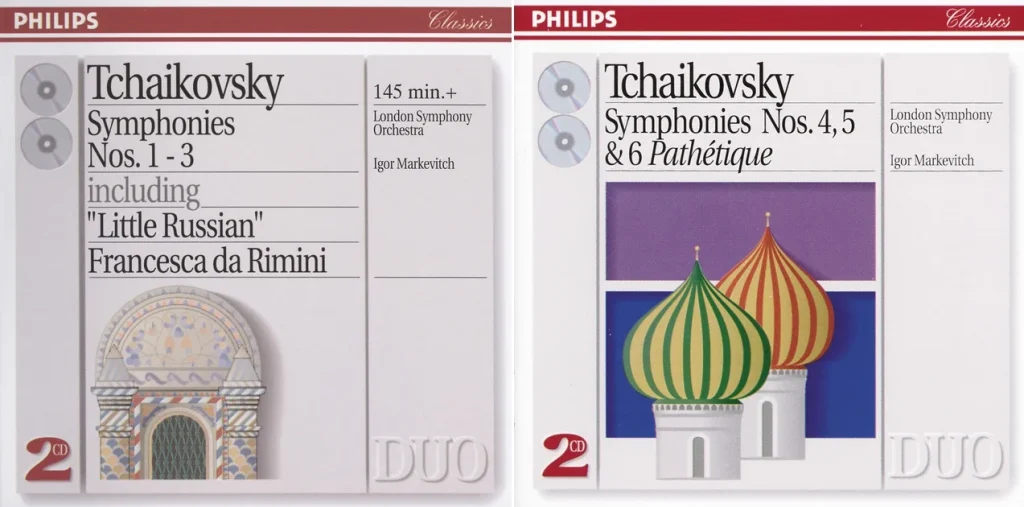
Igor Markevitch’s cycle with the London Symphony Orchestra, which also includes Manfred, was recorded for Philips between 1962 and 1966, with very fine sound. It is without doubt one of the finest Tchaikovsky series on record. Markevitch is both penetrating and virtuosic. The London Symphony Orchestra was in a golden period at this time and plays with maximum commitment. Markevitch also does not sentimentalize Tchaikovsky’s musical language. The interpretations feel direct, but at the same time strongly Russian in colour.
Antal Doráti / London Symphony Orchestra (Mercury)
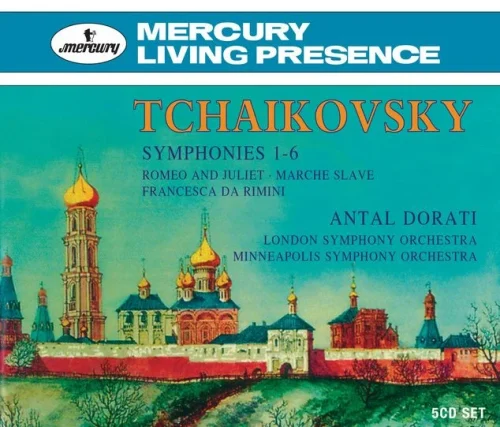
At about the same time as Igor Markevitch recorded his interpretations of Tchaikovsky’s symphonies, Antal Doráti did the same with the same orchestra, but for Mercury. Doráti’s performances of Symphonies Nos. 1–6 have better sound than Markevitch’s and can also stand beside them in interpretative terms. Doráti’s music-making is marked by power, precision and virtuosity, but also by a refined elegance in which the closeness to the ballets is clearly felt. Doráti’s interpretations have a dynamic range that few can match, and this is definitely a cycle that belongs at the very top.
Lorin Maazel / Wiener Philharmoniker (Decca)
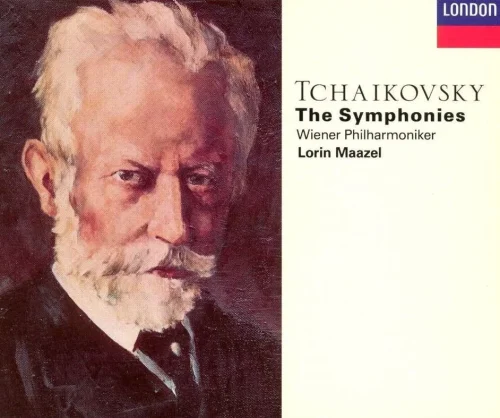
Lorin Maazel recorded a great deal of Tchaikovsky, but only one complete cycle, made in the 1960s with the Vienna Philharmonic for Decca in 1968. Later, the Manfred Symphony was also recorded by the same conductor and orchestra for the same label. Maazel’s interpretation combines analytical attention to detail with dramatic feeling. There is a brilliance in these performances that stands out, and the playing of the Vienna Philharmonic also gives the interpretations a subtle and refined quality. Decca’s dynamic sound also helps make these recordings among the more memorable ones on record.
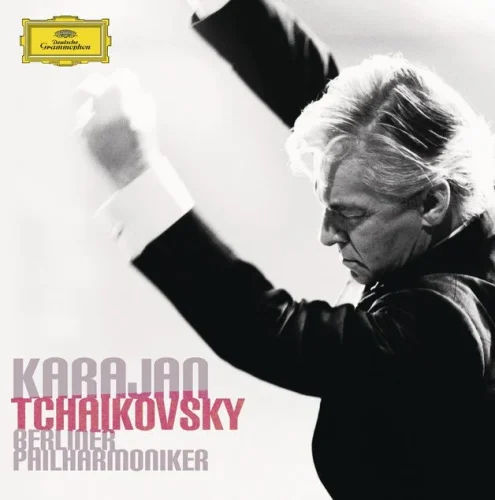
Herbert von Karajan / Berliner Philharmoniker (Deutsche Grammophon)
Tchaikovsky’s Symphonies Nos. 4–6 were always among Herbert von Karajan’s favourites, and he performed and recorded them as regularly as Beethoven and Brahms. He never performed the first three in concert, however, which makes these recordings of them especially interesting. The Austrian maestro did not perform or record Manfred, either live or in the studio. In many ways, Karajan brings Tchaikovsky into the German symphonic tradition, but at the same time he keeps the works’ spontaneous and dramatic character. The last three symphonies in particular have rarely been recorded with such demonic intensity as they are here with the Berlin Philharmonic, recorded for Deutsche Grammophon between 1975 and 1979.
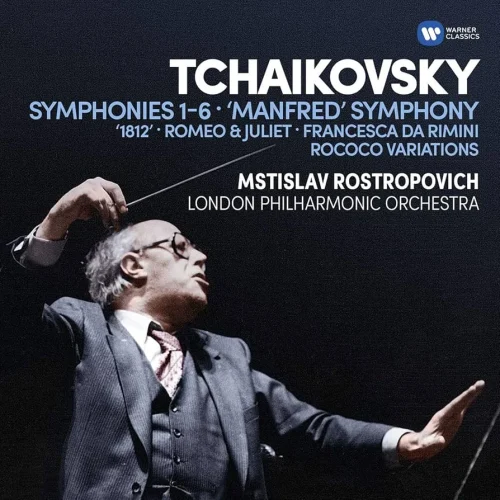
Mstislav Rostropovich / London Philharmonic Orchestra (Warner)
Mstislav Rostropovich’s cycle, which also includes Manfred, was recorded with the London Philharmonic Orchestra for EMI between 1976 and 1977. The cycle is marked by bubbling spontaneity and a passion for Tchaikovsky’s music. Rostropovich offers highly charged interpretations in dynamic sound. His feeling for Tchaikovsky is clear throughout, as lyrical warmth meets fiery intensity. The London Philharmonic Orchestra is tested to its limits in these interpretations and delivers colourful and committed orchestral playing.
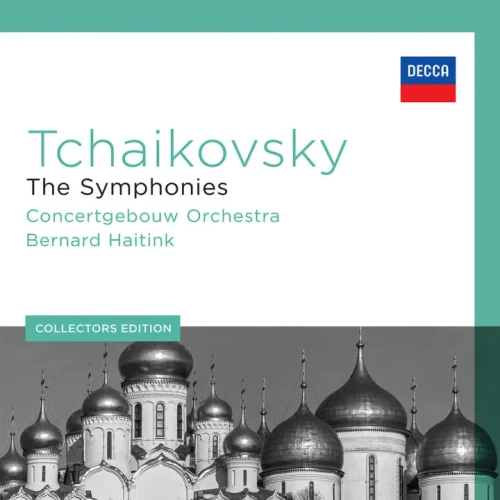
Bernard Haitink / Royal Concertgebouw Orchestra (Decca)
Bernard Haitink made his complete cycle, also including Manfred, between 1974 and 1979 with the Concertgebouw Orchestra, Amsterdam. Haitink’s focus on structure gives the music a dignified symphonic weight. These are interpretations without emotional hysteria, but they are also very powerful and carefully thought through. Haitink’s balanced readings truly show Tchaikovsky’s mastery as a symphonist, as well as the Western influences that were also part of his artistry. The Concertgebouw Orchestra’s warm, full orchestral playing and Philips’ clear, clean sound help make this a highly convincing series. Haitink also recorded the Fourth and Sixth Symphonies twice during the 1970s, and the first recordings in particular have an extra freshness.
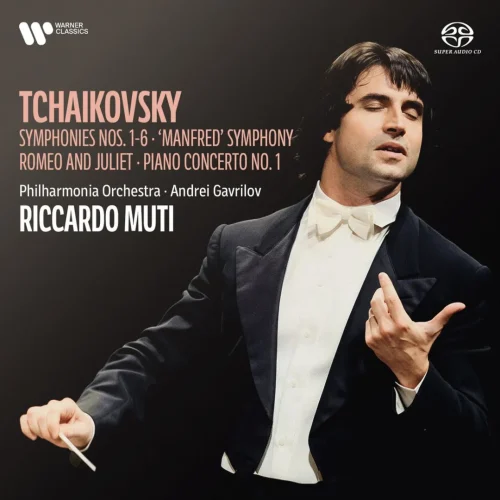
Riccardo Muti / Philharmonia Orchestra (Warner)
There is little doubt that Riccardo Muti was a more intense and dramatic conductor at the beginning of his career. His acclaimed Tchaikovsky series with the Philharmonia Orchestra for EMI, now Warner, from 1975 to 1981 is one of the best examples of this. The interpretations have white-hot intensity and virtuosity, and the first three symphonies in particular gain an extra charge. Manfred and the last three symphonies also have a gripping frenzy, with inspired orchestral playing from the Philharmonia Orchestra in a warm and dynamic sound picture.
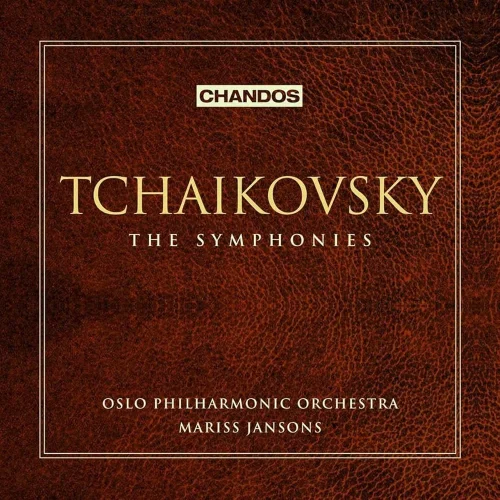
Mariss Jansons / Oslo Philharmonic (Chandos)
Mariss Jansons’ Tchaikovsky cycle for Chandos with the Oslo Philharmonic caused something of a sensation when it appeared on record in the 1980s. It marked his breakthrough as a conductor, and a brilliant career with the world’s great orchestras later followed. Jansons’ skill as an orchestra builder is clear in these recordings, where the orchestra plays with both elegance and bravura. His interpretations have a fantasy and warmth that stand out and give them a new freshness. Chandos’ dynamic sound picture also helps give the performances strong contrasts.
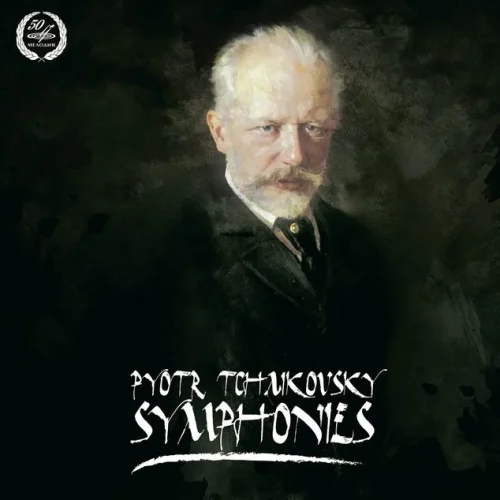
Yevgeny Svetlanov / USSR State Symphony Orchestra (Melodiya)
Yevgeny Svetlanov made three complete recordings of Tchaikovsky’s symphonies, and the first, made in 1967 with the USSR State Symphony Orchestra for Melodiya, is the one that stands out most. These performances are intensely dramatic and full of tension, with the orchestra playing as if everything were at stake. Svetlanov brings out every ounce of passion in the music and is never afraid to push the emotional limits of the score. Some listeners may find these interpretations too sharp-edged, but in the final three symphonies that approach brings remarkable results. The performances combine raw power with deep feeling, culminating in a Sixth Symphony that ranks among the finest ever recorded. It is one of the very few recordings that can stand beside Yevgeny Mravinsky’s legendary account with the Leningrad Philharmonic Orchestra, recorded in 1960 for Deutsche Grammophon.
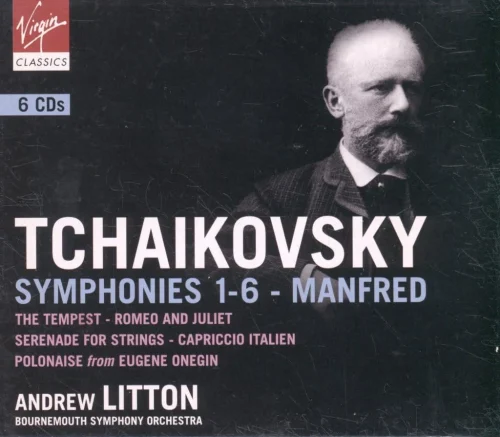
Andrew Litton / Bournemouth Symphony Orchestra (Virgin Classics)
The American conductor Andrew Litton is one of those conductors who almost always manages to carry the spontaneity of the concert hall into the recording studio. Between 1989 and 1993, he made a complete cycle, including Manfred, with the Bournemouth Symphony Orchestra for Virgin Classics. The performances are marked by spontaneity, elegance and drama. This is music-making in which the players’ commitment is clearly felt. Litton and his Bournemouth orchestra give far more interesting performances than more famous artists have done elsewhere. The sound is also clear and dynamic throughout.
Bonus
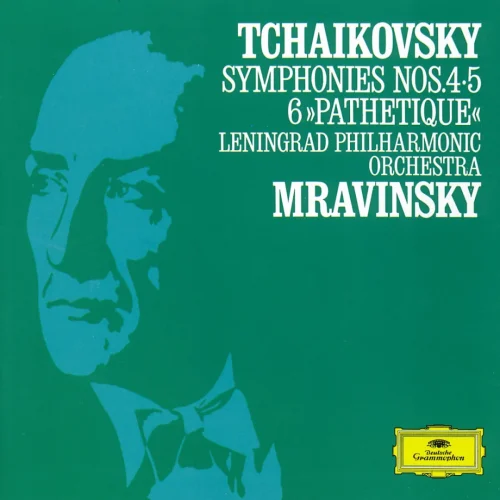
Sadly, the famous Russian conductor Yevgeny Mravinsky never made a complete cycle of Tchaikovsky’s symphonies with his celebrated Leningrad orchestra, today’s Saint Petersburg Philharmonic. He did, however, record the last three symphonies, Nos. 4–6, several times during his career. Deutsche Grammophon has mono versions of Nos. 5 and 6, as well as stereo recordings of Nos. 4–6. The latter interpretations, from 1960, are among the most classic Tchaikovsky recordings of all. Mravinsky and the Leningrad Philharmonic give us uniquely intense, dramatic and direct performances. There is no sentimentality here, but instead an almost raw emotional force that shakes the listener to the soul.