Hugo Alfvén (1872–1960) was one of the few Swedish composers to achieve such wide popularity both in his homeland and around the world. His music is often seen as the very sound of Sweden’s national-romantic era, yet it retains a complex and personal touch. Born in Stockholm, Alfvén started on piano, then switched to violin, studied at the conservatory, and was soon playing professionally in the Royal Opera Orchestra. In his teens he also took painting lessons, but by 1892 he made a clear choice and put all his energy into music.
Alfvén composed five symphonies, and together they form the backbone of his orchestral music. They span most of his long career and show how his style changed over time. The early symphonies are full of youthful energy and rich late-romantic sound, while the later ones are more personal and reflective. There are not many recordings of these works, but the few that exist include some excellent ones—more than enough to explore Alfvén’s symphonic world.
Symphony No. 1
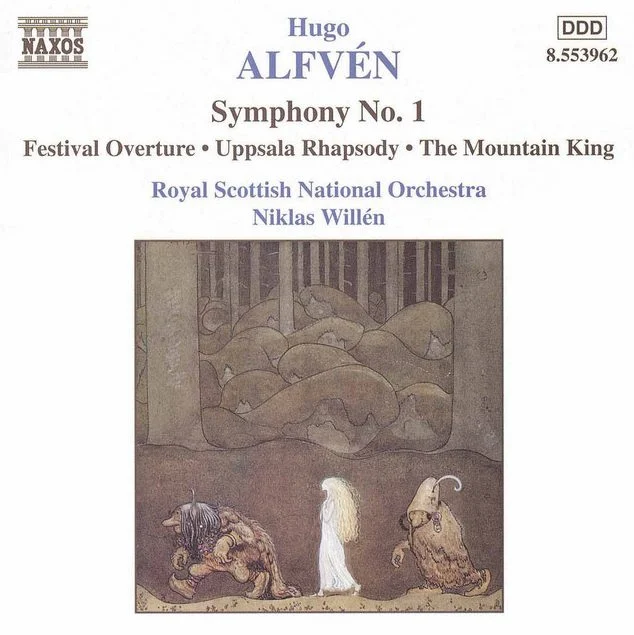
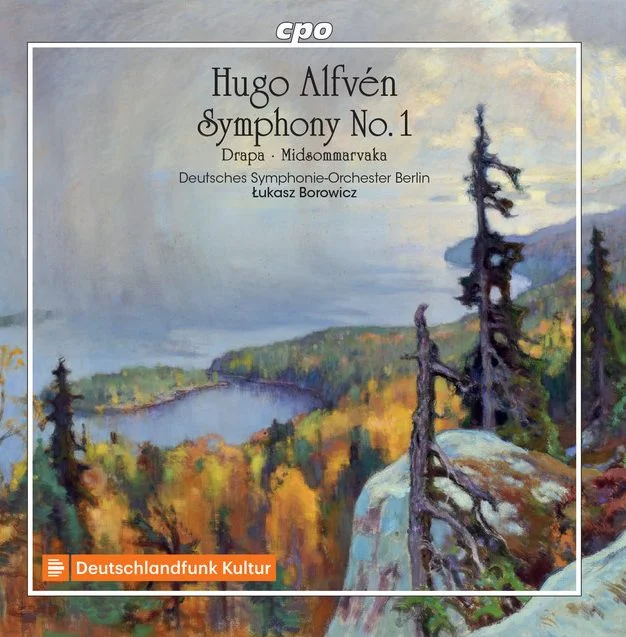
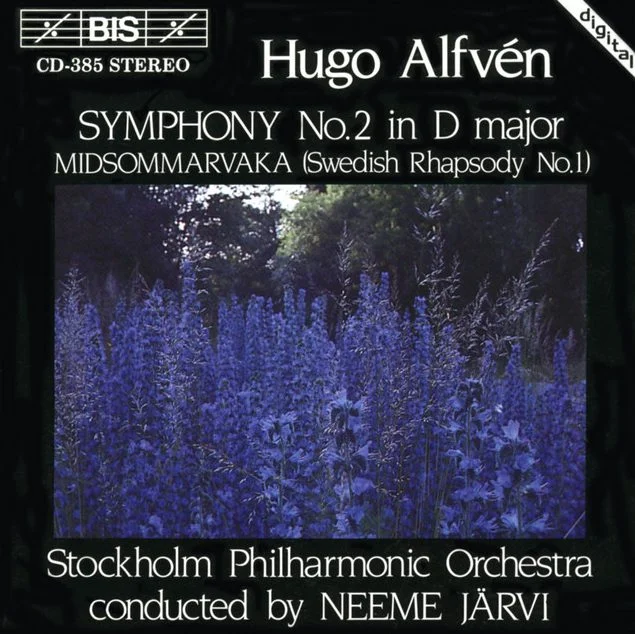
Niklas Willén recorded a large series of Alfvén’s orchestral works on Naxos, offering solid and reliable interpretations, even if they stay within fairly safe limits. More recent recordings on CPO, with Lukasz Borowicz and the Deutsches Symphonie-Orchester Berlin, have added fresh interest, including a very strong account of the First Symphony. A few years earlier, Neeme Järvi and the Royal Stockholm Philharmonic released a complete set of the symphonies and rhapsodies, with a particularly brilliant reading of the First.
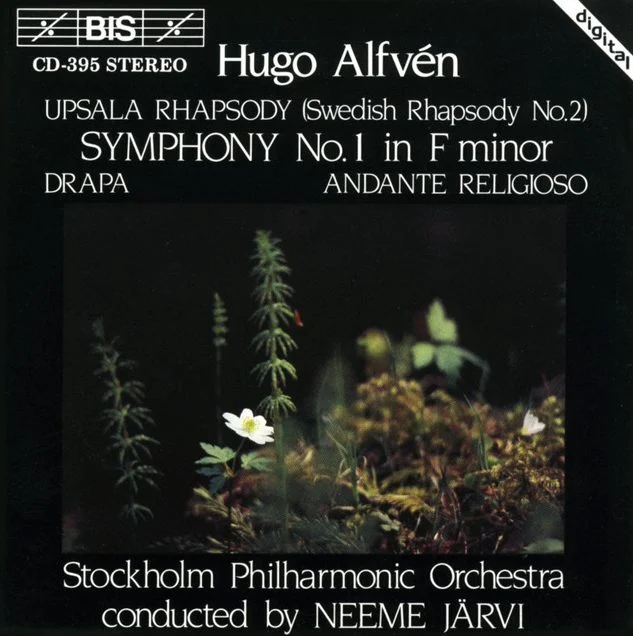
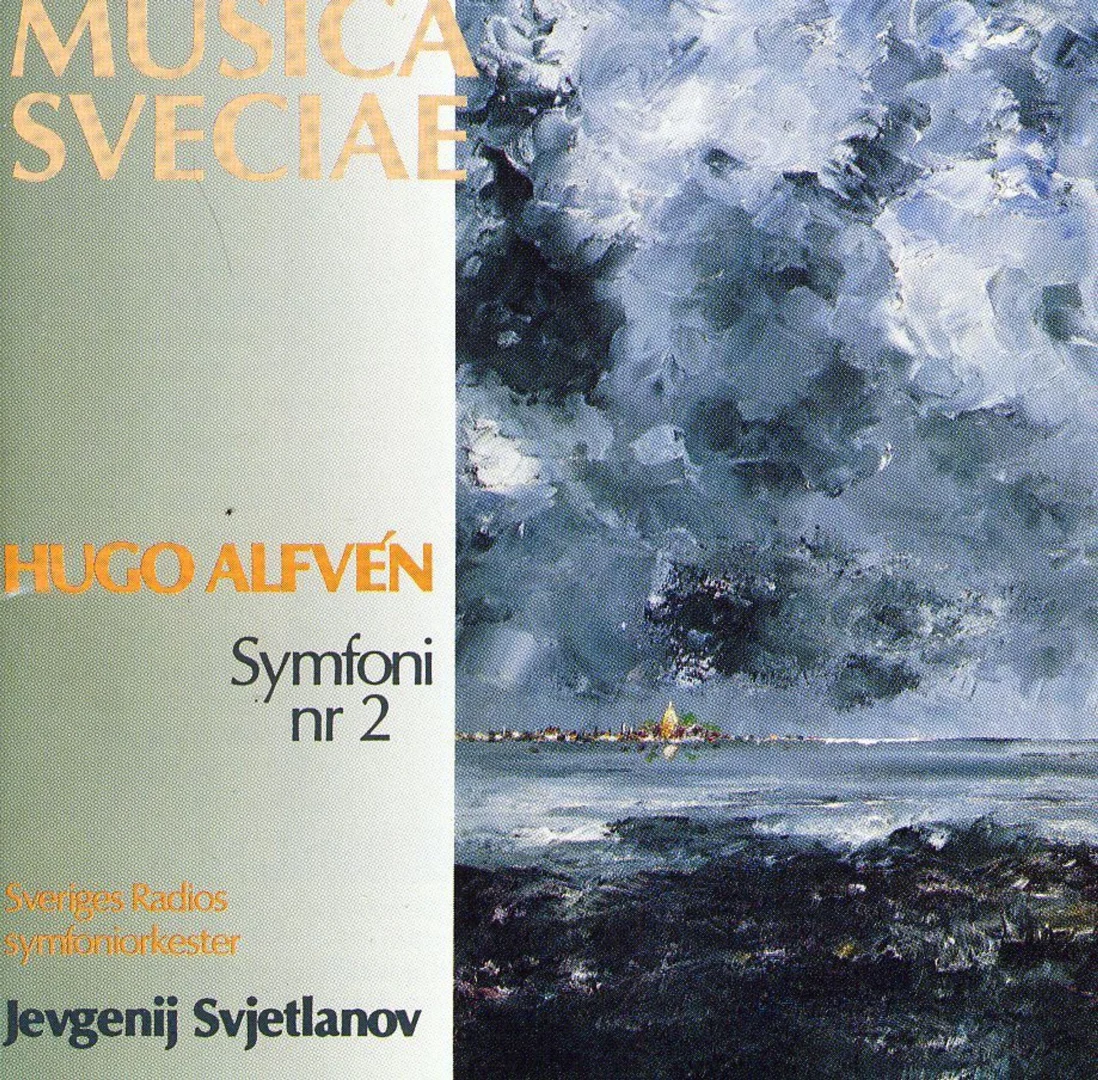
In the end, though, Stig Westerberg’s recording on Swedish Society stands out: it captures Swedish national romanticism at its peak, with a natural Nordic sweep, and the Swedish Radio Symphony Orchestra plays superbly.
Symphony No. 2
Symphony No. 3
The Third Symphony was composed during a trip to Italy in 1905 and is one of his more extrovert works. There is an infectious energy and joy of life in the music that makes it one of the composer’s most inspired creations.
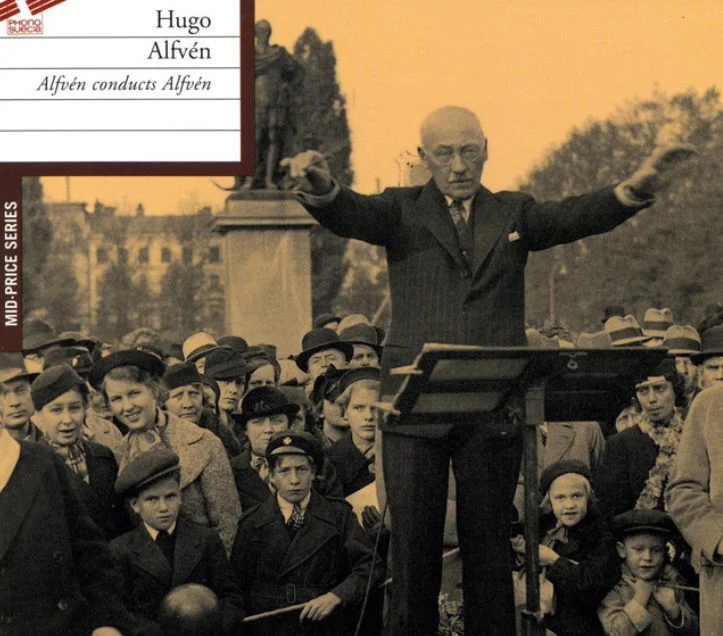
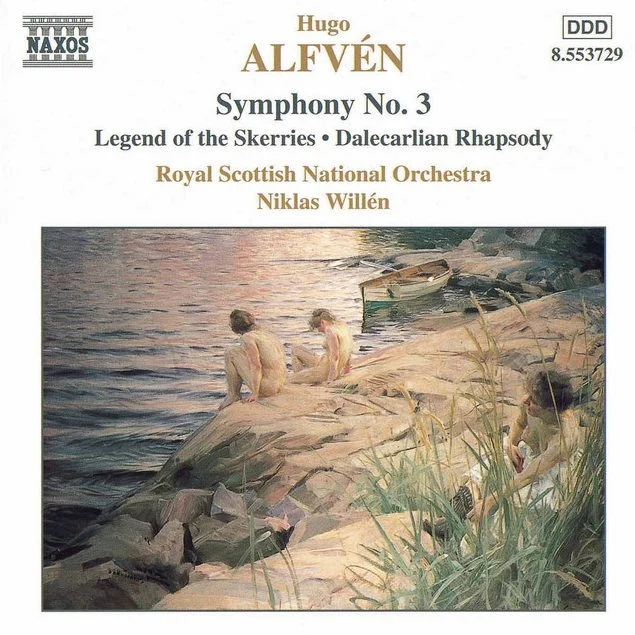
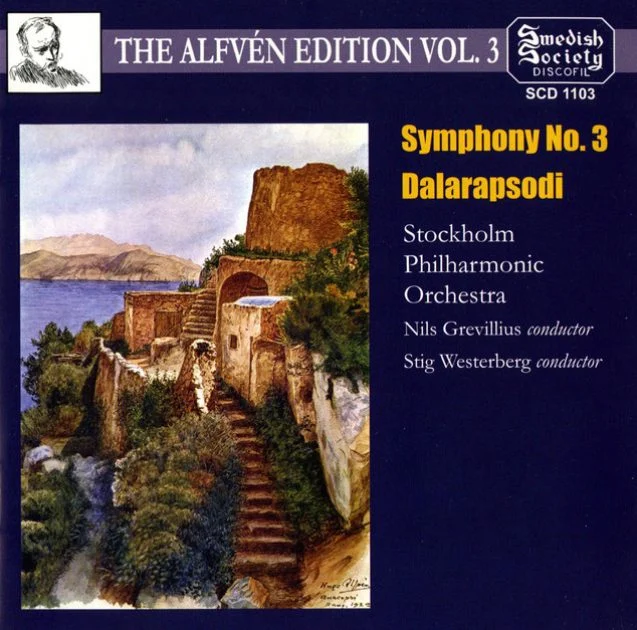
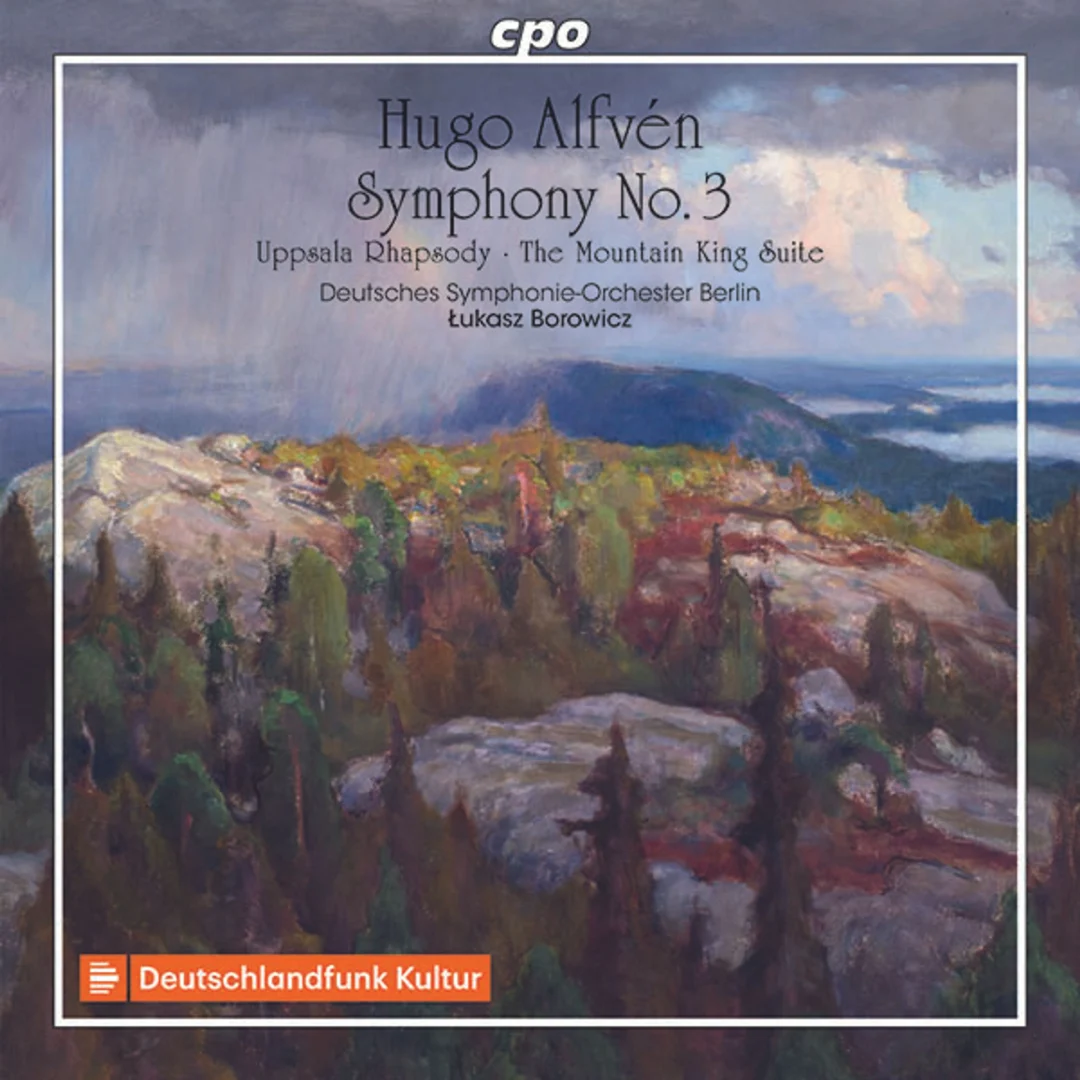
The composer himself recorded it with the Concert Society Orchestra in Stockholm (now the Royal Stockholm Philharmonic Orchestra) in 1950 for Phono Suecia. The orchestral playing has its flaws, but the interpretation is nevertheless indispensable overall. Niklas Willén’s recording with the Royal Scottish National Orchestra on Naxos (1999) cannot match the best in terms of sound, but his interpretation is fresh and lively. Lukas Borowicz’s recording on CPO (2019) offers an intriguing modern approach to the work. Nils Grevillius’s version with the Stockholm Philharmonic from 1964 (Swedish Society) is both splendid and sensitively balanced.
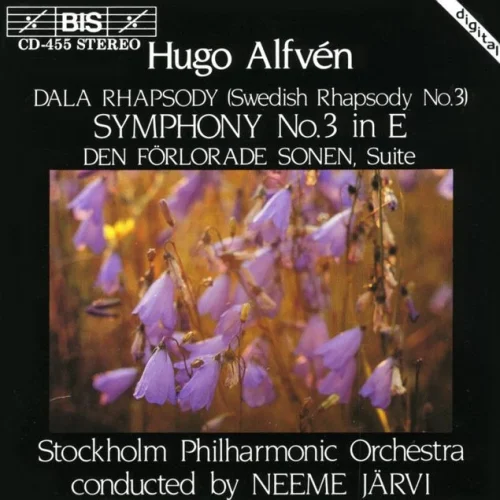
Neeme Järvi’s recording of the Third Symphony (1989) is one of the finest in his Alfvén series, a committed interpretation in which he gets the Royal Stockholm Philharmonic to give of their very best, with glow and warmth in the orchestral sound. The BIS sound is also superior to the other competing recordings, which helps make it a first choice.
Symphony No. 4
The Fourth Symphony (1918–19) portrays the passionate love between two young people, set against the symbolic landscape of the outer skerries where sea and cliffs mirror the emotions of the human heart. Written as a single continuous movement, the work contains four interconnected sections corresponding to the traditional symphonic structure. Its most distinctive feature is the inclusion of wordless soprano and tenor voices woven into the orchestra to express the lovers’ emotions.
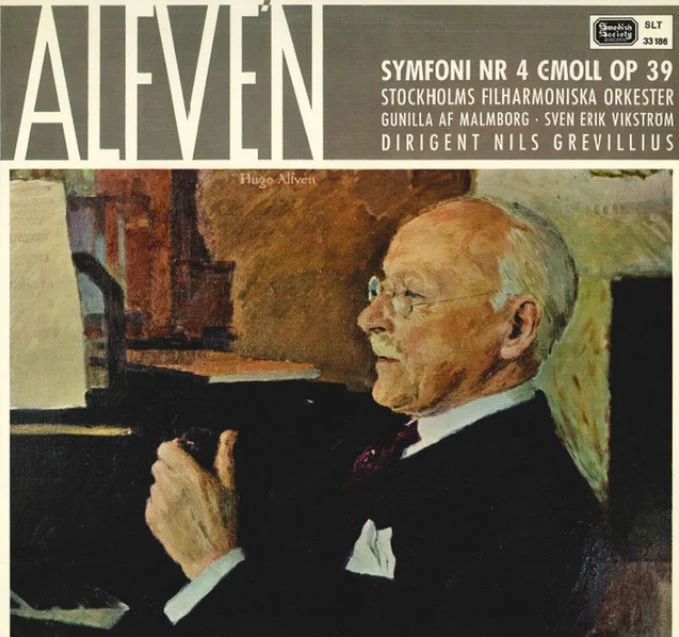
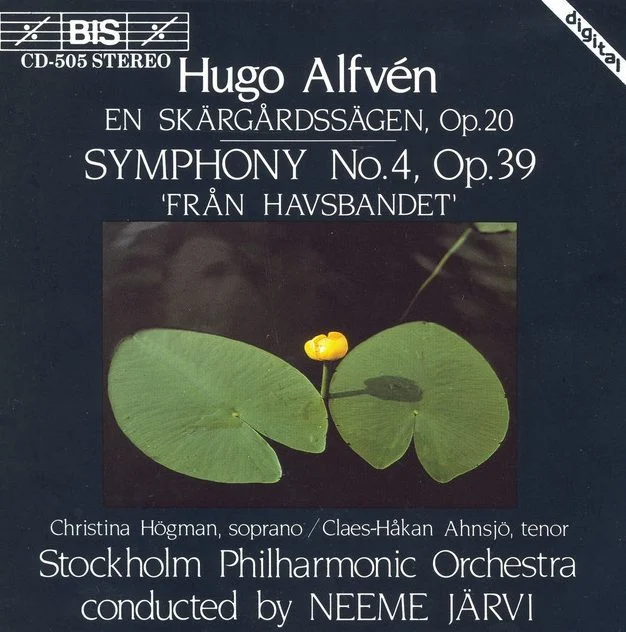
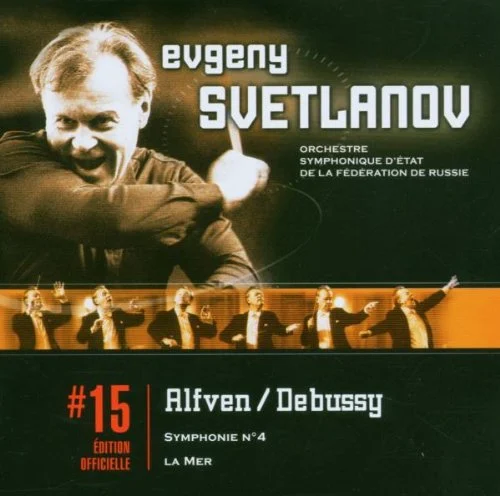
There are quite a few recordings of Alfvén’s Fourth Symphony. Two of them are of special historical interest: the composer’s own recording on Phono Suecia, featuring the legendary dramatic soprano Birgit Nilsson, and Nils Grevillius’s version on Decca. Both are well worth hearing, even if they cannot match modern standards in terms of sound quality or orchestral polish. More recent recordings by Neeme Järvi (BIS) and Niklas Willén are solid and convincing, though they perhaps do not quite reach the ultimate level of intensity. A particularly striking interpretation comes from Yevgeny Svetlanov with the USSR State Symphony Orchestra, delivering a performance full of fire and dramatic sweep.
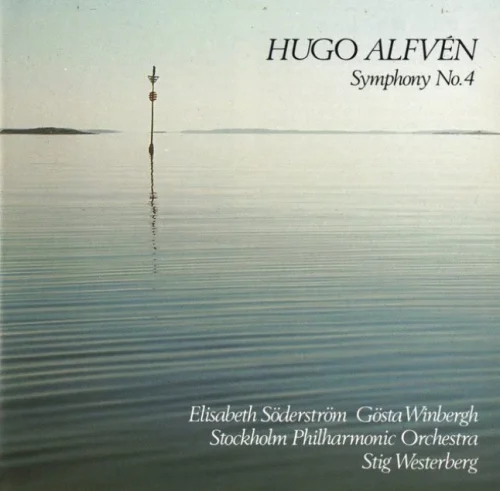
In the end, the top choice has to be Stig Westerberg’s recording of the Fourth Symphony on Bluebell. It’s about as good as it gets: passionate and sensual, yet played with great precision, and at the same time it feels open and free. The Royal Stockholm Philharmonic plays superbly, and the two soloists—Elisabeth Söderström and Gösta Winbergh, among Sweden’s finest singers of the last century—use the full emotional range of the music. This is, without a doubt, one of the finest recordings of a Swedish work available.
Symphony No. 5
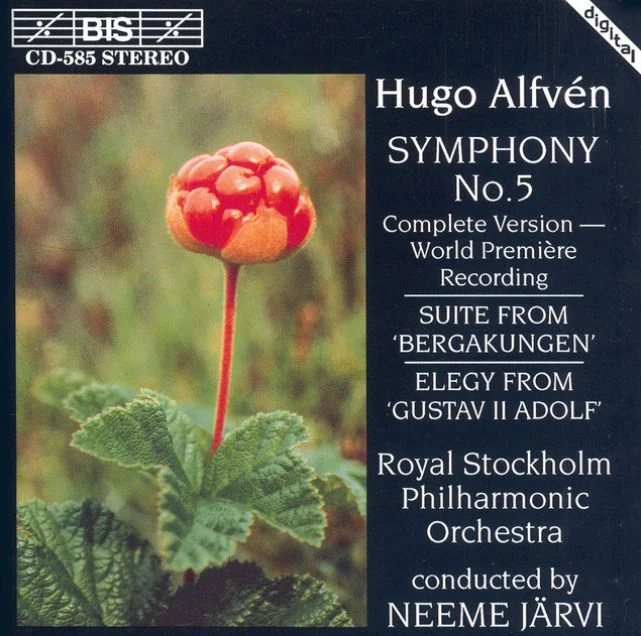
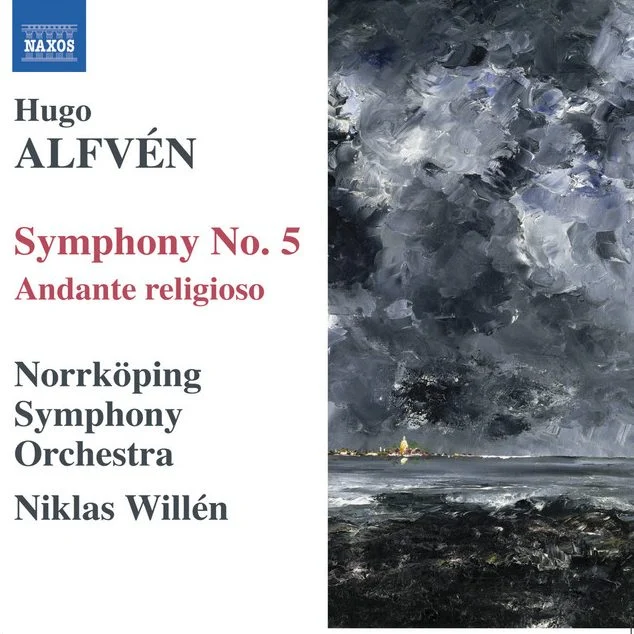
Alfvén worked for a long time on his Fifth Symphony, which became his last major orchestral work, written between 1942 and 1952. The symphony has been recorded complete only twice. In addition, Stig Westerberg and the composer himself made recordings of the long first movement.
Neeme Järvi’s interpretation on BIS (1992) has very fine sound, but the interpretation is not as inspired as his recording of the Third Symphony. Niklas Willén’s recording with the Norrköping Symphony Orchestra on Naxos (2007) is much more engaged. Willén gives the music greater seriousness and weight, and the Norrköping orchestra plays with brilliance. In this interpretation, the symphony comes across as Alfvén’s most modern creation, even though the musical language is still late-Romantic.