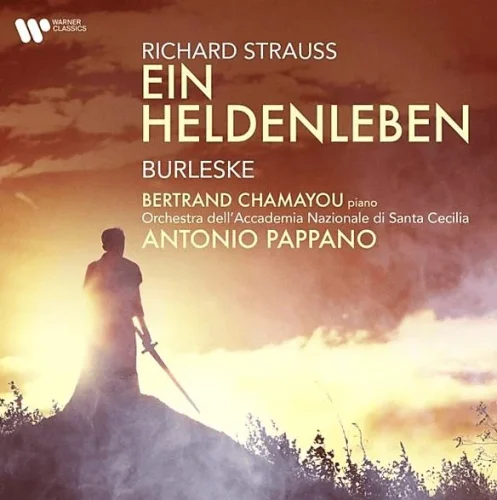
Could Ein Heldenleben (1898) be Richard Strauss’ most virtuosic orchestral creation? The symphonic poem is often said to portray the composer’s artistic life and his battles with critics. Yet the partly ironic autobiographical program is far from essential for appreciating the work’s greatness. Ein Heldenleben is packed with technical challenges, from the brilliant violin solo representing Strauss’ strong-willed wife to its intricate polyphonic textures and the offstage fanfares of the battle scene. The work is also one of Strauss’ most frequently recorded, and almost every major conductor has included it in their repertoire. The ten recordings below are indispensable, although many other fine versions could easily be added.
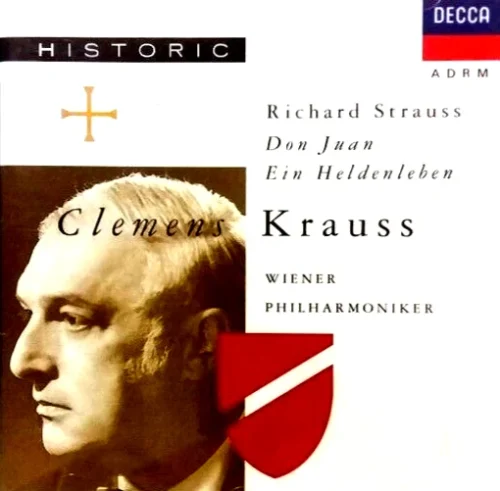
Clemens Krauss / Wiener Philharmoniker (Decca)
Clemens Krauss’s 1952 recording is one of the earliest studio versions, apart from those by Strauss himself and Willem Mengelberg. Krauss knew Strauss personally and is widely regarded as one of the composer’s greatest interpreters. Recorded with the Vienna Philharmonic in excellent mono sound for Decca, this performance combines elegance with an extraordinary ear for detail. Legendary concertmaster Willi Boskovsky plays the violin solo. There is no trace of bombast here. The interpretation is powerful, but Krauss also brings a remarkable sense of humor and humanity to the score.
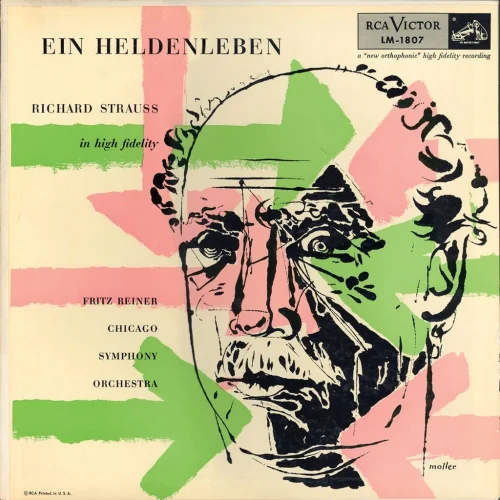
Frity Reiner / Pittsburgh Symphony Orchestra (RCA)
Fritz Reiner left two studio recordings of Ein Heldenleben: the first with the Pittsburgh Symphony Orchestra in 1947 (Sony), and the second with the Chicago Symphony Orchestra in 1954 (RCA). The Chicago recording, made in stereo, remains astonishing more than seventy years later for its sound quality alone. Reiner’s interpretation is equally impressive in its brilliance and virtuosity. Those seeking a dramatic and superbly played performance should start here.
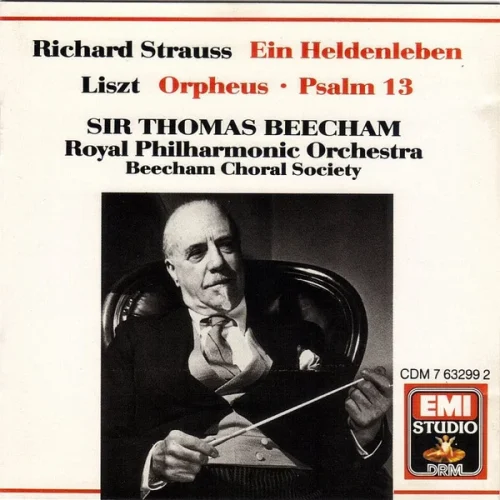
Thomas Beecham / Royal Philharmonic Orchestra (Warner)
Sir Thomas Beecham’s second recording of the work, made with the Royal Philharmonic Orchestra in 1958 for EMI, is one of the most distinctive and entertaining versions on disc. As so often with Beecham, there is a twinkle in the eye, and the score’s irony and humor are brought vividly to life by his virtuoso British orchestra. The performance has a strong narrative quality, as though a story is being told directly to the listener. It also captures the spontaneity and intensity of a live performance, while the recorded sound offers an impressive dynamic range.
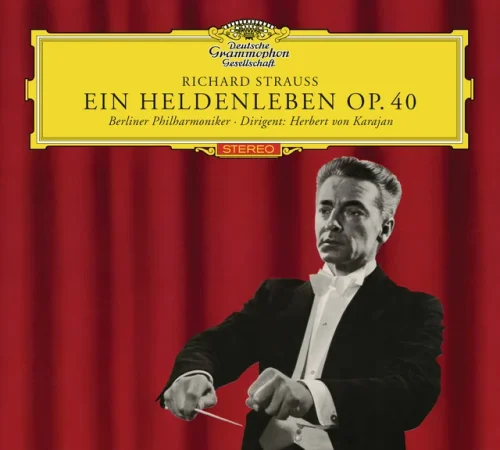
Herbert von Karajan / Berliner Philharmoniker (Deutsche Grammophon)
Herbert von Karajan recorded Ein Heldenleben three times, all of them impressive. The finest is the first, made in 1959 with the Berlin Philharmonic for Deutsche Grammophon. The performance has an elegance and dignity that make it one of the most convincing versions available. Power and virtuosity are certainly present, but Karajan maintains a superb balance throughout, giving the work a strong sense of unity. The recording is also among Deutsche Grammophon’s finest achievements of the period. As an added attraction, concertmaster Michel Schwalbé delivers a memorable violin solo.
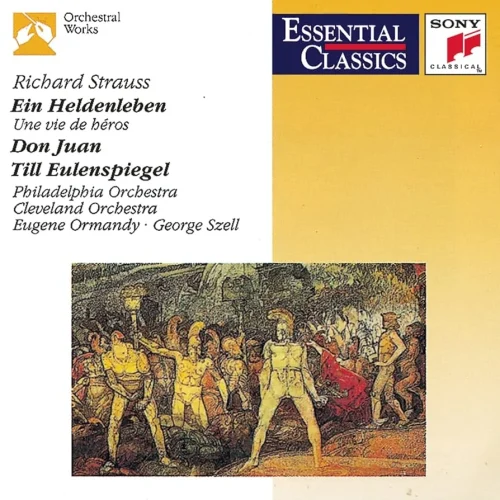
Eugene Ormandy / Philadelphia Orchestra (Sony)
The Hungarian-American conductor Eugene Ormandy recorded Ein Heldenleben four times during his long career. It was a work perfectly suited to the Philadelphia Orchestra, with its rich string sound and glowing brass. The most highly recommended of the four is the 1960 stereo recording for Columbia (now Sony). It is a brilliant and fully realized interpretation—almost dazzling in its virtuosity, yet always elegant and refined.
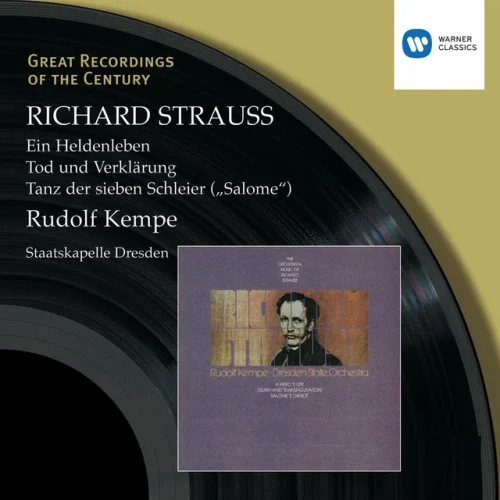
Rudolf Kempe / Staatskapelle Dresden (Warner)
Any discussion of the greatest Strauss conductors must include Rudolf Kempe, who championed both the orchestral works and the operas throughout his career. His greatest recorded achievement is the series of tone poems he made with the Staatskapelle Dresden for EMI (now Warner) in the early 1970s. Recorded in warm analog sound, these performances benefit from the orchestra’s long association with Strauss’ music. Kempe’s interpretation is deeply idiomatic, with glowing brass, rich strings, and a golden sense of brilliance. Powerful yet perfectly balanced, it never becomes vulgar or excessive.
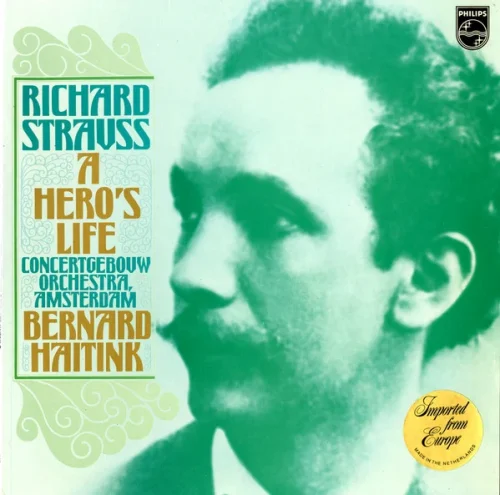
Bernard Haitink / Royal Concertgebouw Orchestra (Decca)
Bernard Haitink’s first recording with the Concertgebouw Orchestra, made in 1970 for Philips, is one of the most thoughtful and convincing accounts of the work. Haitink approaches Ein Heldenleben almost as if it were a symphony, placing structure and balance at the center of the interpretation. His phrasing is refined and sensitive. While the climaxes have plenty of power, the music remains firmly controlled throughout, which ultimately strengthens the work’s overall architecture. The recording also boasts one of the finest sound images available, with exceptional clarity and transparency.
Zubin Mehta / Los Angeles Philharmonic (Decca)
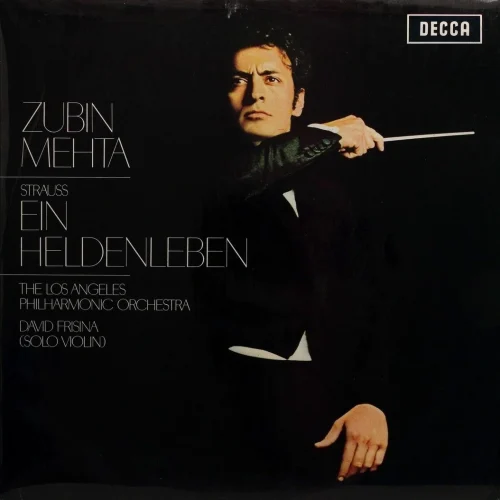
Zubin Mehta’s first recording of Ein Heldenleben, made with the Los Angeles Philharmonic in 1969 for Decca, is the best of his three versions. Here Mehta is at his most dramatic and dynamic. Listeners looking for a colorful, highly virtuosic interpretation will find much to enjoy, helped by Decca’s spectacular sound. His later recordings with the New York Philharmonic and the Berlin Philharmonic, both for Sony, have their strengths but feel comparatively restrained beside the explosive energy of this first effort.
Georg Solti / Wiener Philharmoniker (Decca)
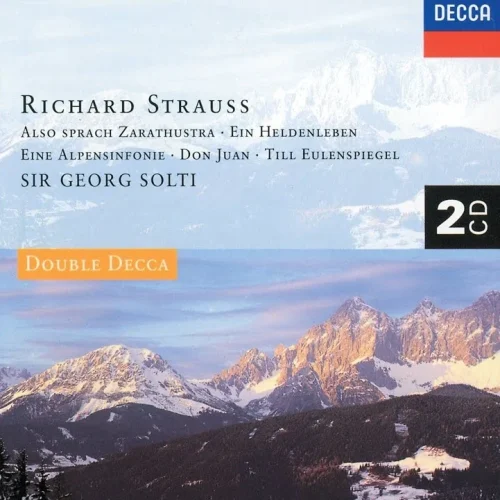
Sometimes it is enough simply to surrender to the overwhelming power of Ein Heldenleben and let the music sweep you away. In that case, Sir Georg Solti’s 1977–78 studio recording with the Vienna Philharmonic is an excellent choice. Captured in magnificent Decca sound, it offers a thrilling, high-energy performance. It may not be the most subtle interpretation, although the Vienna Philharmonic’s warmth adds considerable charm, but it is undoubtedly one of the most spectacular, with Solti at the height of his powers.
Antonio Pappano / Orchestra dell’Accademia Nazionale di Santa Cecilia (Warner)
The twenty-first century has produced many excellent recordings from conductors such as Andris Nelsons, Mariss Jansons, Semyon Bychkov, and Christian Thielemann. Few, however, fully rival the versions already discussed. One notable exception is Antonio Pappano’s 2021 recording with the Orchestra dell’Accademia Nazionale di Santa Cecilia for Warner. Drawing on his experience as a great opera conductor, Pappano shapes the work masterfully, bringing out all its tension, drama, and passion. His Italian orchestra responds with inspired and deeply committed playing for its former music director.